
Let’s work together
Why your production plans keep changing
How often do you start the day’s production with a plan, only to find that by midday, it has already changed.
Urgent orders arrive, priorities are shuffled and teams switch tasks. Supervisors end up spending most of their time managing production problems and instead of helping the team follow the plan they started just a few hours earlier.
But this is rarely just a planning issue.
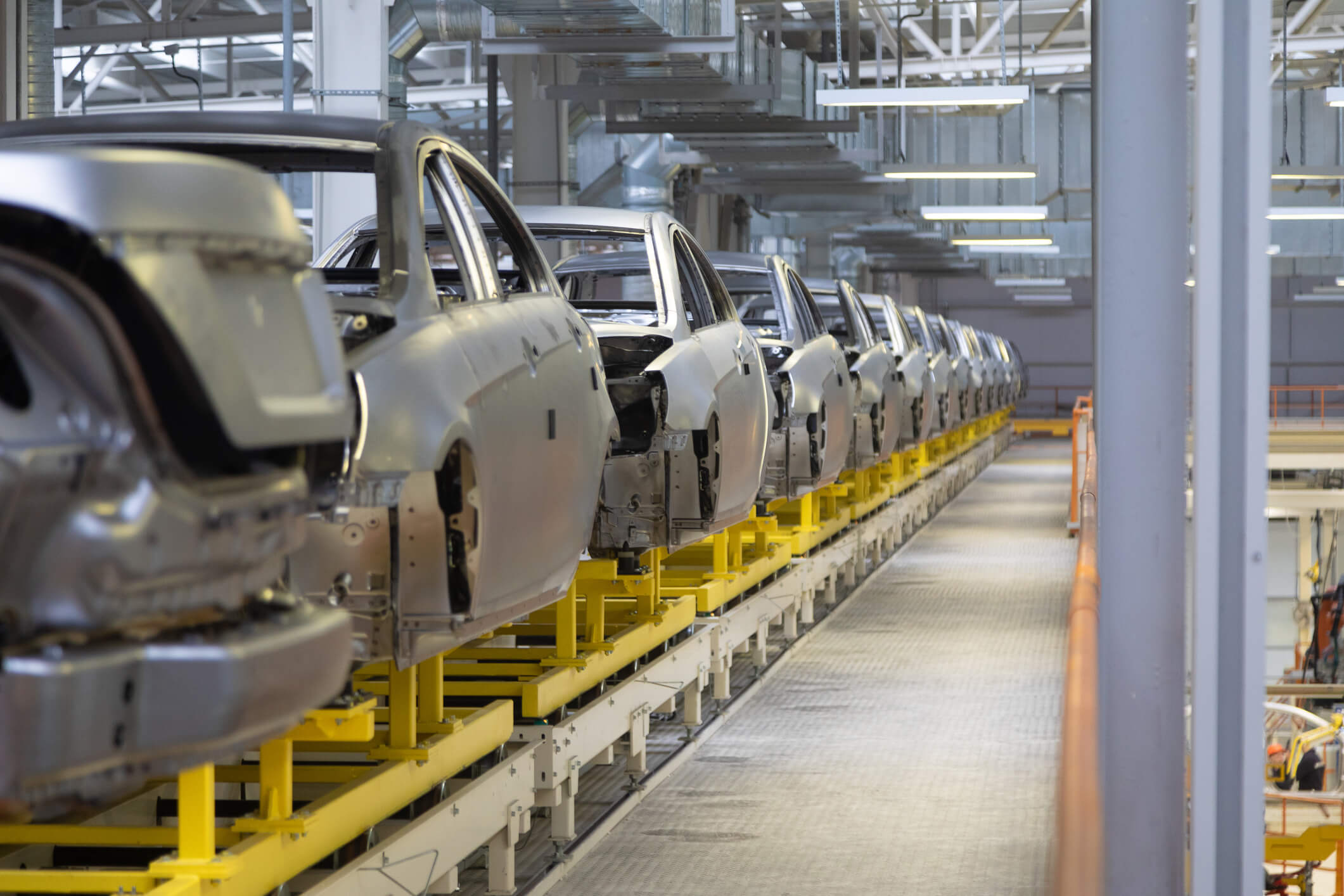
This is an instability in the system or process. It’s often caused by unreliable equipment, varying process times, lack of priorities and no visibility of real capacity. When the system is unstable, the plan will rarely hold. This leads to a loss of productivity and increased pressure across the whole team.
Stability must come first. That means reducing breakdowns and variability, improving synchronisation between teams, understanding real capacity, setting clear priorities and creating daily control so that problems are not discovered too late.
The outcome of a more stable system is that plans are followed better, priorities are clearer and teams can execute everything more effectively instead of constant firefighting.
Primus Passus Consulting can help you understand the cause of instability and where to start.
Firefighting and overload
Our consultation is always in sync with your strategy
It is not unusual for production teams to be constantly firefighting, but it does not have to become the norm.
It is because unexpected problems occur throughout the day, priorities change, tasks switch and managers start ‘chasing’ instead of ‘leading’. By the end of the day, there are production delays and everyone feels overloaded while objectives have maybe not been achieved.
But this is not a lack of discipline or effort or even an organisation problem. It is often a problem with the system. Instability and a lack of control invariably create a lack of flow. It is not enough to push teams harder, react faster or ask for more effort. Stability needs to be obtained, control secured and flow needs to be restored.
The goal is not to do more or faster but to remove the cause of overload.
When visual management improves, days become more predictable. Fewer issues need escalation. People spend less time reacting. Managers can focus on improving operations.
That starts by making the work visible, clarifying priorities, reducing interruptions and creating a structured problem-solving routine.
Primus Passus Consulting helps manufacturing and business teams move from constant firefighting to more stable, controlled and predictable operations.
Why your machines keep breaking down
Machines never break down at convenient times.
In fact, it is usually the complete opposite. It is when the plan is tight, the specific competence is unavailable, or plan B is unactionable. Warning signs were there but not seen, escalated or acted on early enough.
As a result, production delays increase, plans become disrupted, teams are pushed to their limits.
The common reaction is to restart production as quickly as possible, minimising the production impact and move on. This is too often a temporary solution and rarely the end of the story.
Breakdowns exist because of a lack of structured maintenance systems or asset management, including both production and maintenance teams. This happens when there is no clear ownership or responsibility. When basic equipment conditions are not under control. Operators may know what early warning signs to look for but the system does not always listen to them or act on what they raise.
Small recurring issues are normalised.
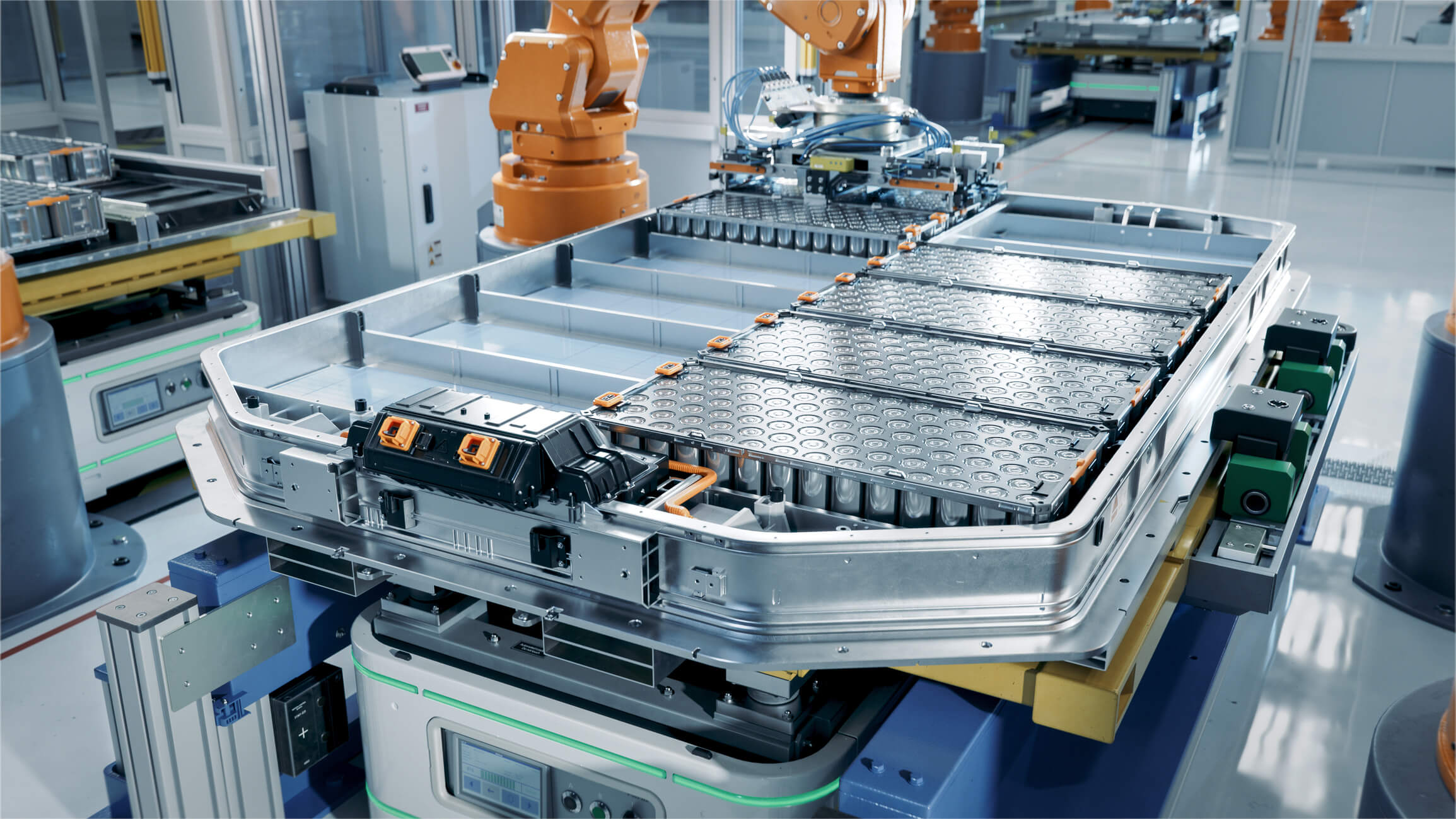
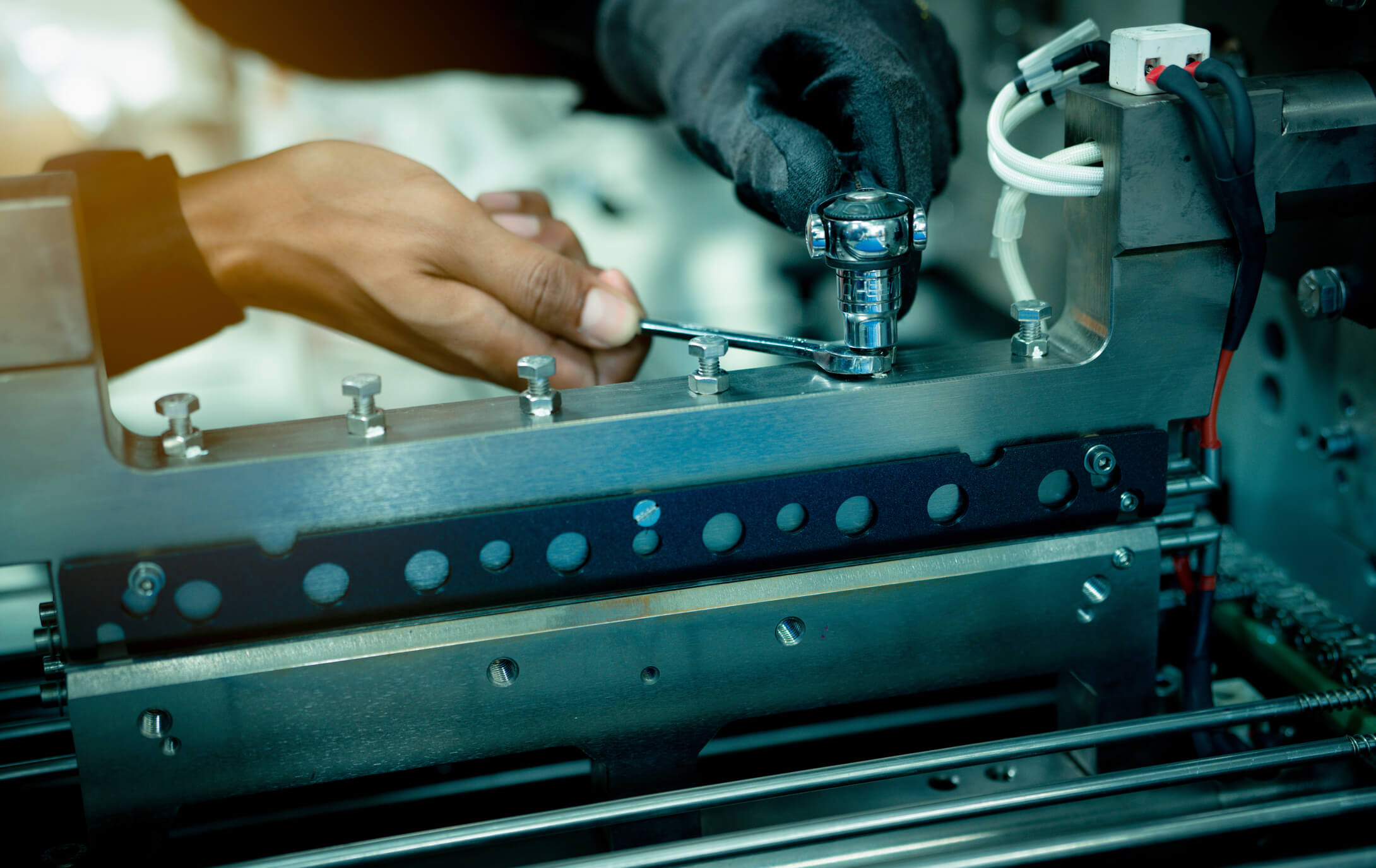
Too often the focus is on fixing the symptoms not eradicating the root cause.
This results in a lost production time, reduced customer confidence and lower team energy. Stress and fatigue increase because people are constantly compensating for equipment that cannot be relied on.
Reliability is never achieved by reacting faster but by reducing the need to react.
There needs to be a shift, creating clearer ownership, improving basic conditions, setting preventive routines, eradicating breakdowns and making equipment performance visible as part of daily management.
When machines become more reliable, the production plan becomes more reliable too.
If equipment reliability is affecting your production performance, Primus Passus Consulting can help you assess your reliability and asset management processes and support you build a practical action plan.
Delivery
You agree on a delivery date with the customer but then the operation team struggles to protect it.
Some orders are too early, some orders are too late. Some are delivered on time but only because the team works hard to protect delivery at the last minute.
The common reaction is to chase more priorities, and work hard at the end of the process. This may protect some orders, but short-term solutions create even more pressure and rarely solves the real issue.
Delivery problems are rarely only one issue.
They are the results of instability earlier in the operation: unreliable equipment, unclear priorities, priorities not being followed, missing materials, excess work in progress, poor quality of data, missing competences, weak daily visual management, late problem escalation,
Reliable delivery requires reliable processes, clear priorities, realistic capacity and a daily management routine that shows whether the operation is on track or drifting away from the plan.
The production results will be more reliable delivery dates, fewer surprises, less need for expediting orders and improved customer confidence. Delivery improves when operations become stable and controlled.
If your production delivery is inconsistent, depends too much on chasing, expediting or individual effort, Primus Passus Consulting can support you in understanding where control is lost, and how to improve it.